Cities at War Army Build and Military Guide
Train the right mix, place defense that covers approaches, and scale from outpost escorts to Capital assaults.
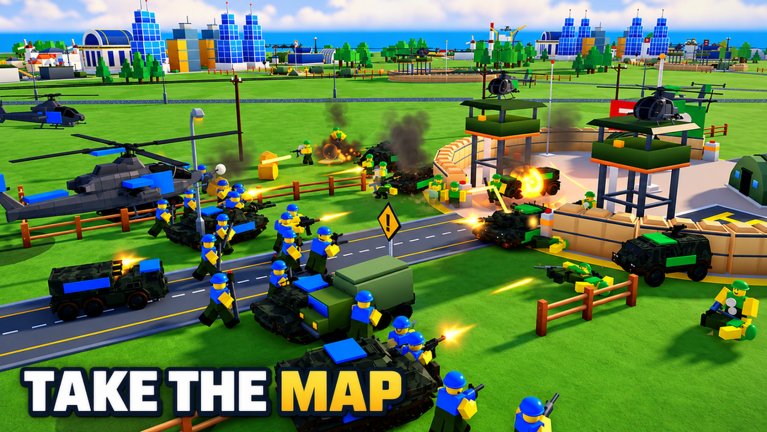
Military power in Cities at War turns a working tycoon into a map threat. Barracks feed soldiers and heavier units, defense structures protect the core you spent the first hour building, and research multiplies both. This guide explains unit roles, expansion order, and how to grow an army without bankrupting the docks loop covered in Economy and Docks.
If you are still placing your first farms, finish Getting Started before heavy recruitment. An empty treasury cannot replace losses after a failed push.
Barracks: the military heartbeat
Barracks are your primary training buildings. Place them where trained units can exit toward the map without weaving through farms and homes. One early barracks is enough to start; add more when queues become the bottleneck and your economy can feed continuous training. Upgrading training capacity matters more than owning every unit type on day one.
Keep a cash reserve tied to barracks output. If you spend every coin on a single elite wave, the next defense or capture leaves you empty. Healthy armies are replaceable armies.
Unit types and what they are for
Cities at War fields a broad roster: soldiers, tanks, helicopters, jets, drones, and defensive structures such as sniper towers. Exact stats shift with patches and research, so use roles instead of memorized damage numbers.
Soldiers are the flexible backbone. They take ground, screen captures, and fill early fights cheaply. Most opening armies should be infantry-heavy until docks income is stable.
Tanks add punch and staying power for firebases and harder contested points. Bring them when you can afford losses and when infantry alone stalls.
Helicopters support mobile pressure and can punish exposed positions. They shine when you need faster response than ground columns alone provide.
Jets are high-impact air power for players who already have income and anti-loss buffers. Unlocking jets before your city prints cash usually stalls research and housing.
Drones add another air or support layer for scouting pressure and flexible attacks. Treat them as specialized tools, not a replacement for a grounded core.
For relative strength discussions and ranking snapshots, compare options on the Tier List after you understand these roles.
Defense structures and core protection
Offense wins captures; defense keeps the city that funds them. Sniper towers and related defensive buildings should cover likely approach lanes into your production core and barracks. Place towers with overlapping fields where rivals would path, not randomly on empty corners of the plot.
Do not wall yourself into immobility. Your units need clear exits toward outposts and beyond. A common layout mistake is surrounding barracks with farms so reinforcements arrive late. Base Layout covers buffers between economy and military districts.
Light early defense is enough while you learn. Expand tower coverage when neighbors start probing or when you hold valuable map points that draw counterattacks.
Military expansion order
- Minimum viable force: Barracks online, infantry trained, one or two defensive towers covering the core.
- Outpost ready: Enough troops to take and hold a nearby outpost without emptying the city.
- Combined arms: Add tanks or early air once docks and research support replacements.
- Objective armies: Scale for firebases, oil rigs, and eventually the Capital with mixed ground and air.
- Rival city pressure: Keep a home guard while expedition forces attack other players’ cities after map objectives are contested.
Each step assumes the previous economy tier still runs. If production stalls, pause recruitment and repair cash flow.
Pairing army builds with research
Army strength nodes on the research tree multiply every unit you train. Grab them when you are entering a capture phase. Build speed helps finish the next barracks or tower. Income research is still military research in disguise—more cash means more replacements.
Avoid the trap of unlocking expensive unit tiers while army strength and income research are empty. A researched mid-tier force often beats an unresearched showcase roster.
Fighting for map objectives
Your army exists to climb the capture ladder: outposts, firebases, oil rigs, Capital, then rival cities. Details live in Capture Points. From a build perspective, pack forces that can arrive together, hold briefly, and retreat or reinforce without stranding your core naked.
Scout before you commit jets. Small servers punish overcommitment because everyone sees who left home undefended. Keep a garrison mindset even when you are attacking.
Army checklist
- Barracks placed with clear exit paths.
- Infantry core trained before expensive air spam.
- Sniper towers covering real approach lanes.
- Cash buffer for replacements after every fight.
- Research invested in army strength when captures begin.
- Home guard retained while expedition forces push.
What to read next
Plan objectives with Capture Points, compare unit value on the Tier List, and align upgrades via Research Tree. Keep funding the war machine through Economy and Docks, and fix chokepoints with Base Layout.
Build armies you can rebuild. In Cities at War, the player who fields the second wave usually takes the point the first wave only softened.
For soft rankings, open the Units Tier List and Buildings Tier List. Soft matchup habits live in Unit Counters.
Frequently Asked Questions
Quick answers for Cities at War on Roblox.
What units should I train first?
Start with soldiers from a barracks. Add tanks and air units after your docks income can replace losses without pausing farms and housing.
When do sniper towers matter?
As soon as neighbors can path into your core. Place them on approach lanes to protect production and barracks, not as decoration on unused corners.
Should I rush jets and drones?
Only if your economy and research already support them. Early jets without cash flow create a brittle army that cannot reinforce after the first fight.
How many barracks do I need?
Begin with one. Add more when training queues block your capture timeline and your city can feed continuous recruitment.
How does research affect army power?
Army strength upgrades multiply trained units. Income and build speed research also help by funding and finishing the next military buildings faster.
Where should I send my army first?
Toward a nearby outpost you can hold, then up the ladder through firebases, oil rigs, and the Capital before heavy attacks on rival cities.