Unit Counters in Cities at War
A soft counter matrix for soldiers, armor, air, drones, and towers — always research before you spam.
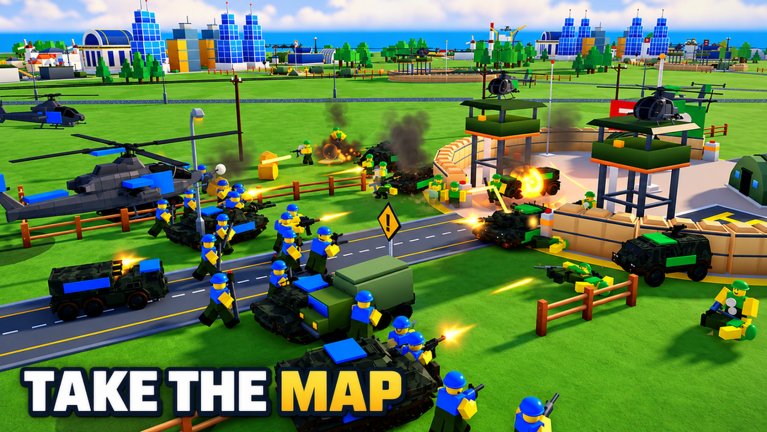
Winning fights in Cities at War is less about memorizing a rigid rock-paper-scissors chart and more about answering what the enemy actually fields — after your research and economy can afford replacements. This guide gives a soft counter matrix for soldiers, tanks, helicopters, jets, drones, and defensive towers. Treat every matchup as a tendency, not a permanent rule. Balance patches tracked on Updates can nudge roles, and researched units beat unresearched “counters” that exist only on paper.
Pair this page with Army Build for unlock order and production habits, and with the Units Tier List for soft spend priorities. Soft language only: we do not invent numeric damage tables or fake costs.
Research-first caveat (read before the matrix)
Counters fail when:
- Your “answer” unit is unresearched and theirs is upgraded.
- You cannot replace losses because docks and production are weak.
- You leave the home city empty while chasing a perfect counter march.
- You overbuy one answer and get flanked by a mixed force.
Open the research tree before you dump a treasury into a hard counter fantasy. Income and build-speed nodes fund the army; army-strength nodes make the units you already trust hit harder. A researched soldier blob often beats an unresearched “counter” toy you cannot rebuild.
Soft counter matrix
Use this as a scouting checklist, not a law.
Soldiers
Role: Cheap presence, early holds, home guard filler, capture escorts in numbers.
Generally answered by: Concentrated armor and area pressure once tanks are online; air harassment if soldiers are left unsupported in the open; towers when soldiers funnel into a prepared kill zone.
Generally answers: Empty ground, neglected early captures, and rivals who skipped basic infantry entirely. Soldiers also clean up after bigger units break a line.
Play tip: Do not delete your infantry core when tanks unlock. Keep a researched soldier pool for defense and objective sitting while armor leads the punch.
Tanks
Role: Front-line breakthrough, pressure on ground holds, durable capture escorts.
Generally answered by: Focused air once helicopters or jets are meaningful; massed researched infantry in awkward terrain if armor overextends alone; defensive towers covering chokepoints into a prepared base.
Generally answers: Soldier-heavy marches that lack anti-armor support, soft forward camps, and players who only spam cheap ground without research.
Play tip: Tanks shine when income can replace them. A single prestige tank with no backup is a donation. Mix armor with infantry and watch Players habits so you are not flanked while staring at one lane.
Helicopters
Role: Flexible air pressure, harassment of ground pushes, map mobility between fights.
Generally answered by: Jets and dedicated air answers when those are researched; dense tower coverage near valued districts; ground forces that refuse to clump in the open and drag fights under friendly air defense.
Generally answers: Exposed tank columns, slow soldier blobs without air cover, and capture teams that march without scanning the sky.
Play tip: Helicopters punish greedy ground all-ins. They punish you back if you buy air before docks and research can sustain losses — see Make Money Fast before you sky-spam.
Jets
Role: High-end air superiority and fast strikes when the economy and research finally support them.
Generally answered by: Rival air that contested the sky earlier; strong tower umbrellas over the home city; simply running out of cash if you bought jets before production snowballed.
Generally answers: Helicopters that overstay, exposed ground armies, and late objectives where mobility matters — including contested routes toward oil and Capital fights described in Capture Points.
Play tip: Jets are a snowball tool, not a bootstrap. Soft tier advice on the Units Tier List usually parks them behind a working economy.
Drones
Role: Support, scouting pressure, and flexible harassment depending on how the live roster is tuned.
Generally answered by: Alert air defense, towers near production, and players who do not leave valuables undefended while AFK.
Generally answers: Neglected scouting, slow reactions on six-player servers, and armies that never look up from a single ground lane.
Play tip: Treat drones as information and chip tools until you confirm their current combat weight after a patch. Re-test after place updates instead of copying an old video.
Defensive towers
Role: Static denial, chokepoint control, home-city insurance while armies are forward.
Generally answered by: Combined arms that do not feed the kill zone one unit type at a time; long-range or air pressure that forces towers to fight without infantry screens; simply bypassing a tower line to hit undefended economy pads.
Generally answers: Naked soldier rushes, careless armor that drives into overlapping fire, and raid attempts on a city that left zero static defense.
Play tip: Towers buy time; they do not replace a mobile army. Place them with pathing and economy buffers in mind — Base Layout matters as much as the tower tier.
How to scout before you counter
On a six-player server, walk the Players habits:
- Visit or observe rival cities for barracks output and air pads.
- Note whether they still sit on soldiers only or already field tanks and air.
- Check forward capture points — outposts and firebases often reveal what composition they trust.
- Build the smallest answer that survives contact, not the most expensive toy on the roster.
- Keep a home guard so a perfect counter march does not return to ashes.
Composition over single answers
The best “counter” is usually a researched mix: infantry for presence, armor for breakthrough, limited air for harassment, and towers covering the home approach. Pure one-unit armies look strong on the first engagement and fold when the rival shifts composition. Soft rankings on the Tier List and production detail on Army Build help you spend without tunnel vision.
Related reading
- Army Build — unlock flow and production habits
- Units Tier List — soft unit priorities
- Capture Points — where compositions actually get tested
- Research Tree — strength nodes before spam
- Players — raid timing and defense culture
- Make Money Fast — funding replacements
Answer what you see, research before you commit, and keep the city earning while the army fights. That is the durable counter philosophy for Cities at War.
Frequently Asked Questions
Quick answers for Cities at War on Roblox.
Is there a hard rock-paper-scissors chart for Cities at War units?
Only soft tendencies. Research state, numbers, and positioning matter as much as unit type. Re-test after patches instead of treating any matrix as permanent law.
What generally answers mass soldiers?
Researched armor and prepared tower zones punish infantry blobs that lack support. Air harassment also hurts soldiers left in the open without cover.
How do I deal with tanks?
Bring researched air when you can sustain it, avoid feeding towers one tank at a time, and mix infantry so armor is not isolated. Economy must fund replacements.
Should I rush jets to counter everything?
No. Jets are a late snowball tool. Fund production and research first — see Army Build and Make Money Fast — or you will stall when losses land.
Do towers replace a standing army?
Towers buy time and cover chokepoints; they do not replace mobile forces. Pair static defense with a home guard and sensible Base Layout.
Where should I check unit priorities after a balance change?
Revisit the Units Tier List, this counter page, and Updates after each place stamp, then re-test a small army sample before all-in spends.