Cities at War Capture Points and the Capital
Climb the map ladder in order, hold what you take, and only then turn your army on rival cities.
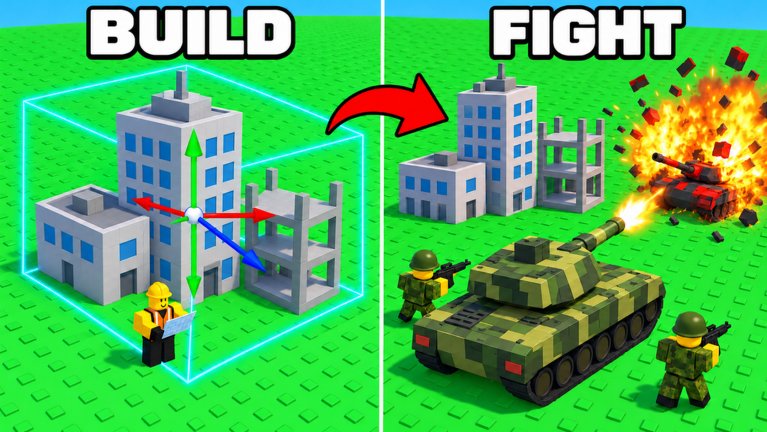
Capturing territory is the strategic spine of Cities at War. Building a pretty city matters, but the players who climb from outposts to firebases to oil rigs to the Capital—and then pressure rival cities—control the pace of a six-player server. This guide explains that ladder, how to stage armies for each step, and when to flip from PvE-style objectives into direct PvP.
Bring a working economy and a replaceable force before you march. Review Army Build and keep production alive with help from Base Layout.
Why capture order matters
The map is built around escalating objectives. Outposts are the on-ramp. Firebases demand more commitment. Oil rigs raise the stakes again. The Capital sits at map center as the prestige and pressure prize. After that, attacking rival cities becomes the decisive PvP layer.
Skipping ahead looks bold and usually fails. A Capital attempt with an outpost-tier army strands your units far from home and invites neighbors to raid your undefended farms. Climb in order so each held point funds the next fight.
Outposts: first real map wins
Outposts are your training ground for capture timing. Pick one close enough that reinforcements arrive before the fight ends. Clear it with an infantry-heavy group, leave a hold force if needed, and immediately check that your core still has a garrison.
Outpost goals for beginners:
- Learn how long captures take with your current army.
- Practice moving units without emptying the city.
- Convert the win into cash or map presence instead of celebrating and idling.
If the nearest outpost is already contested by a stronger neighbor, take a safer one or grow your barracks output first. Pride captures are how early leads die.
Firebases: mid-ladder pressure
Firebases ask for thicker armies and better timing. Expect harder resistance and longer exposure while your units are away. Bring combined arms when you can—soldiers plus tanks or early air—so you are not stuck in a pure infantry slog.
Before a firebase push:
- Confirm docks cash can replace a lost wave.
- Finish relevant army research nodes.
- Clear pathing so reinforcements are not blocked by your own buildings.
- Watch other players; small servers mean everyone notices a major march.
Holding a firebase is as important as taking it. If you cannot defend the point and your city, you donated progress to whoever arrives second.
Oil rigs: high-value targets
Oil rigs sit higher on the ladder and reward players who already have stable income and military depth. Treat them as operations, not impulse clicks. Stage units, assign a home guard, and only commit when you can finish the job.
Oil rig fights often pull attention from across the map. That can be good—if you want chaos while you secure another objective—or bad if your city is soft. Coordinate your timing with defensive tower coverage and a research state that favors army strength.
The Capital at map center
The Capital is the centerpiece objective. It draws the strongest armies on the server and turns quiet tycoon play into open conflict. Do not open a Capital attempt because the icon looks important. Open it when you have:
- A diversified economy still earning during the fight.
- Mixed ground and air that can take losses.
- Research invested in combat power.
- A plan for who might contest you mid-capture.
Winning the Capital shifts pressure onto everyone else, but holding influence afterward matters more than a screenshot. Expect counters. Keep builders finishing economy upgrades even while the big fight runs so you are not hollow the moment the battle ends.
After the Capital: attacking rival cities
Once map objectives are in play, PvP against rival cities becomes the endgame expression of your build. Attacking another player’s city is not the same as clearing a neutral marker. You are fighting someone’s production core, defenses, and reinforcements.
PvP tips:
- Scout tower coverage and army location before you commit jets.
- Leave a home guard; mirrors happen fast on small servers.
- Strike when a rival is overextended on their own capture.
- Do not burn your entire treasury on one raid you cannot follow up.
Track who is active and how aggressive the lobby feels via the Players hub mindset: know the field, then pick fights you can afford.
Linking captures to city design
Captures fail when pathing is bad. Keep military districts oriented toward the map, economy buffered behind defense, and builder access clear so you can repair after fights. Base Layout turns those ideas into placement rules. Army Build covers which units to send at each ladder step.
Capture checklist
- Outpost secured and holdable.
- Firebase attempted only with combined arms and cash buffer.
- Oil rig treated as a staged operation.
- Capital contested with researched, replaceable forces.
- Rival city attacks launched with home defense intact.
- Every win reinvested into production and the next military tier.
Climb patiently. Cities at War rewards the player who holds the ladder, not the one who touches the Capital once and goes bankrupt.
Frequently Asked Questions
Quick answers for Cities at War on Roblox.
What is the capture order in Cities at War?
Progress from outposts to firebases to oil rigs to the Capital at map center, then pressure rival cities. Skipping ahead with a weak army usually fails.
When should I take my first outpost?
After barracks infantry and a cash buffer exist, and when the outpost is close enough to reinforce. Nearby held outposts beat distant failed glamours.
Is the Capital required to win?
The Capital is the key central objective and a major pressure tool, but lasting advantage still needs economy, holds on lesser points, and the ability to defend afterward.
How is attacking a rival city different from capturing neutrals?
Rival cities fight back with player defenses and reinforcements. Scout first, leave a home guard, and avoid all-in raids you cannot repeat.
What should I do right after a successful capture?
Reinvest into production and military replacements, confirm home defenses, and only then queue the next ladder objective.